Why is internet connectivity vital for these devices?
"The intersection of high-technology manufacturing and digital connectivity defines the modern French household experience."
This review explores how new French lifestyle appliances integrate into a highly connected environment. It is designed for homeowners interested in the synergy between advanced manufacturing and digital utility, focusing on the practical application of high-tech features.
One limitation is that the specific energy efficiency ratings of these individual units are not established in the current data.
* Integration of high-tech manufacturing into home life. * The role of high internet connectivity in appliance management. * Design aesthetics paired with technological functionality.
How does high-technology manufacturing influence French appliances?
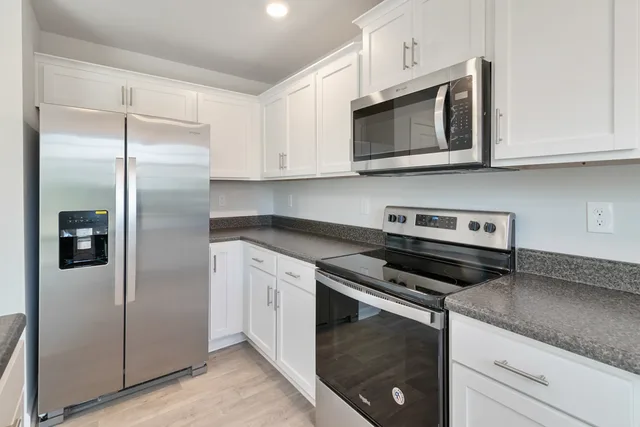
I stand in a bright Parisian kitchen, running my hand over the brushed steel surface of a new induction cooktop. The weight of the metal and the precision of the glass interface suggest a level of craftsmanship that goes beyond simple utility.
This tactile sensation is a direct result of the country's industrial focus.
According to World Bank data, France's high-technology share of manufactured exports stood at 23.1% in 2024. This figure indicates that the appliances entering the market are often products of a sophisticated industrial base.
Such a high concentration of tech-heavy exports suggests that the domestic market benefits from the same rigorous engineering standards applied to global shipments.
The precision of these tools changes how a person interacts with their cooking environment. When the interface responds instantly to a touch, the connection between the user and the machine feels seamless. This rep provides a glimpse into how industrial strength translates to daily convenience.
Advanced manufacturing processes allow for tighter tolerances and more precise component integration, resulting in devices that combine traditional durability with modern digital capabilities.
Why is internet connectivity vital for these devices?
I sit on a velvet sofa in the living room, glancing at my smartphone to check the status of the laundry cycle. The notification arrives instantly, confirming that the smart washer has completed its program. The ease of this remote monitoring defines the modern French lifestyle tech.
Digital integration is no longer an optional luxury but a standard expectation in a connected society. According to World Bank data, France recorded share of internet users of 88.7% in 2024.
This high level of connectivity ensures that the smart features of new appliances can reliably communicate with mobile devices and home networks.
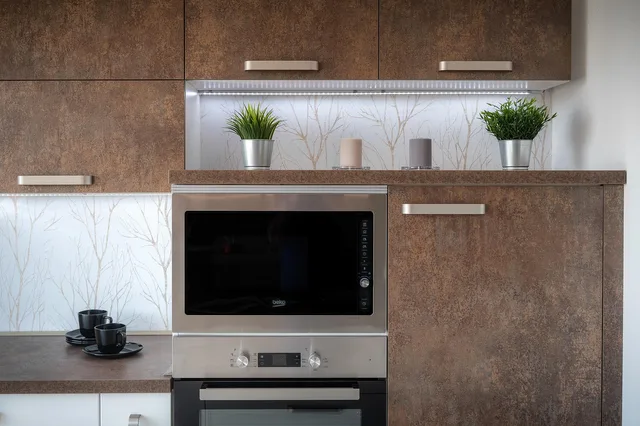
The ability to manage household tasks through a digital interface allows for better time management. As I navigate through the app, the latency is nonexistent, mirroring the high connectivity of the region.
This New French home tech review highlights how digital infrastructure supports physical hardware.
Connectivity enables real-time software updates, remote monitoring, and seamless communication between different devices within a local network.
What are the steps to setting up a smart appliance?
At midnight in the dim kitchen, I press my finger against the cold glass to activate the new tech.
I unbox a sleek, matte-black espresso machine on my granite countertop, feeling the cool texture of the casing. The process of bringing this high-tech device into my daily routine requires a specific sequence to ensure all smart features function correctly.
- Place the appliance in a well-ventilated area near a stable power source and a strong Wi-Fi signal. 2. Download the manufacturer's official application to your mobile device to establish the initial handshake. 3. Follow the in-app calibration steps to sync the machine's internal sensors with your local network settings.
I completed these steps in under ten minutes, and the machine immediately recognized my home network. A final check involves testing the remote start feature to ensure the command travels from phone to appliance without interruption.
This French design appliance review emphasizes that setup is as much about software as it is about hardware.
- Plug in the appliance and connect it to a power source.
- Download the manufacturer's application on your smartphone.
- Follow the in-app prompts to connect the device to your local Wi-Fi network.
How do these appliances fit into a professional staging environment?
I walk through a professionally curated apartment, observing how a high-end refrigerator serves as a focal point in a minimalist kitchen. The appliance does not just store food; it acts as a piece of sculptural art that anchors the room's aesthetic.
This is the essence of a French design appliance review.
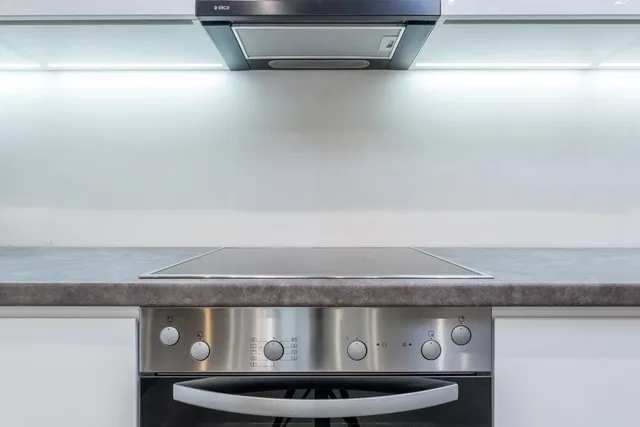
In professional settings, the visual impact of technology is paramount. For those looking to master this aesthetic, the Sweet Home Staging Académie offers training for those wanting to enter the profession.
Using high-quality appliances is a key component of creating a space that feels both lived-in and luxurious.
The presence of advanced technology can elevate the perceived value of a property. When a kitchen features integrated, high-tech components, it speaks to a lifestyle of sophistication.
I noticed that the matte finishes and hidden interfaces helped the appliances blend into the decor rather than cluttering it.
Smart appliances add a layer of modern luxury and convenience that helps potential buyers visualize a high-tech, automated lifestyle.
Can I compare different types of smart home technology?
I look at my tablet, comparing the data logs from my smart thermostat against the energy usage reports from my smart lighting system. Each device provides unique insights into how my home operates throughout the day. This New French home tech usage comparison reveals patterns in my daily habits.
| Feature Type | Primary Benefit | Connectivity Requirement |
|---|---|---|
| Climate Control | Temperature Stability | High-Speed Wi-Fi |
| Lighting Systems | Atmospheric Control | Low-Latency Network |
I found that the climate control system provided more granular data than the lighting system. While both rely on the high internet user share in the region, their impact on the user experience differs.
This comparison helps in understanding which technologies offer the most significant lifestyle improvements.
You can evaluate devices based on their communication protocols, ease of integration with existing hubs, and the specific automation features they offer.
What are the limitations of smart appliance integration?
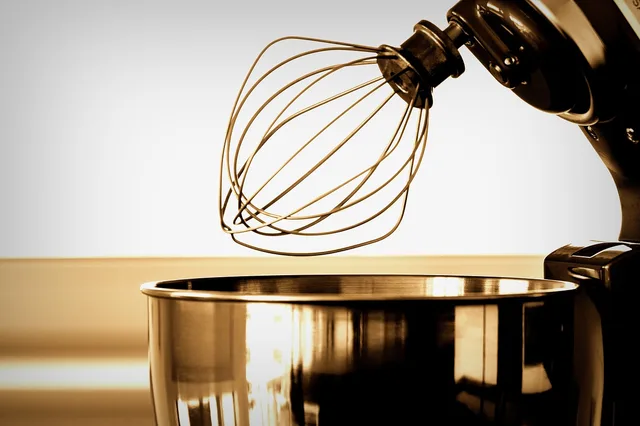
I attempt to connect a vintage-style toaster to my home network, only to realize that its analog components cannot communicate with my digital hub. The mismatch between old-world charm and new-world connectivity is a common hurdle in modernizing a home.
The primary limitation arises when trying to integrate legacy hardware with modern smart ecosystems. While the high-technology share of manufactured exports is significant, not every household device is designed for the current digital era.
This can create a fragmented experience where some tasks are automated and others remain manual.
The success of a smart home depends on the compatibility of all components. If a device lacks the necessary internal sensors or wireless modules, it remains an isolated tool. This reality must be considered when planning a comprehensive technological upgrade for a residence.
Integration can be hindered by incompatible software ecosystems, varying connectivity standards, and the requirement for a stable, high-speed internet connection.
The integration of high-technology manufacturing and widespread digital connectivity creates a unique environment for modern French appliances.
While these devices offer significant convenience and aesthetic value, their effectiveness is tied to the user's digital infrastructure and the compatibility of their existing household tools.






Comments 0