How French media digital ecosystem best techniques guide
The later part of this article returns to French media digital ecosystem.
"The kitchen is more than just a place for food; it is where stories are told through flavor."
Whether you are a culinary student, a home cook looking for inspiration, or a fan of French culture, understanding the technical mastery of top-tier creators can elevate your own skills.
This guide explores the professional approach of a leading culinary figure, provides a roadmap for mastering French techniques, and addresses the complexities of high-level food production. 1. Mastery of traditional French techniques. 2. The importance of ingredient seasonality. 3. A structured approach to recipe experimentation. * Understanding the balance of acidity and fat.
How does a professional manage high-volume cooking?

At dawn, the chef grips the heavy handle of a copper pot while the steam from the french stew rises against his face.
The heavy copper pots sit on the stove, steam rising in thick clouds that catch the morning light. A chef stands at the center of the heat, moving with a rhythmic precision that makes the chaos of a busy kitchen look like a choreographed dance.
To manage high-volume cooking, professionals rely on mise en place, strict timing, and the ability to scale recipes without losing the essence of the flavor.
Managing a large-scale kitchen requires more than just ability; it requires a systematic breakdown of every single component. Professionals prepare all ingredients—chopping, measuring, and organizing—before the first flame is even lit.
This preparation ensures that the heat of the stove does not become a distraction from the quality of the dish. When scaling a recipe, the relationship between spices and liquids must be carefully monitored to prevent the seasoning from becoming overwhelming.
The transition from a home kitchen to a professional setup often involves learning how to control heat more effectively. In a large kitchen, the residual heat in heavy pans can continue cooking food long after it is removed from the flame.
Understanding this thermal momentum is essential for maintaining the texture of delicate proteins.
Why is technical precision so vital in French cuisine? French media digital ecosystem
The chef wipes the blade in the dim kitchen, feeling the cold steel after slicing the french vegetables into perfect slivers.
A knife glides through a ripe tomato with zero resistance, leaving a slice so thin it is nearly translucent. The chef wipes the blade with a linen cloth, preparing for the next delicate task of julienning vegetables for a mirepoix.
Technical precision ensures that every piece of food cooks at the exact same rate, creating a uniform texture that is the hallmark of fine dining.
In French culinary traditions, the cut of the vegetable is just as important as the flavor of the seasoning. If a carrot is not cut to the exact millimeter, it will not soften at the same time as its counterparts in a braise.

This uniformity is not just for aesthetics; it is a fundamental requirement for consistent heat distribution.
Precision also applies to the emulsification of sauces. A broken sauce can ruin a meal, but a perfectly stable emulsion demonstrates a mastery of temperature and agitation.
By practicing these small, repetitive movements, a cook builds the muscle memory necessary to execute complex dishes under pressure.
According to World Bank, the 2024 record includes 88.7%.
What are the essential steps to mastering a signature dish?
The kitchen timer ticks softly in the silence of the late afternoon, and the aroma of garlic and shallots begins to fill the room. A cook stares at a handwritten recipe, comparing the small pile of prepared ingredients to the expectations of the final plate.
To move from a basic recipe to a signature dish, one must follow a structured path of experimentation and refinement.
- Analyze the core flavor profile of the existing recipe to identify its strengths and weaknesses. 2. Introduce a single variable at a time, such as a different fat source or a slight change in acidity, to observe the impact. 3. Document the results of every iteration to create a reliable roadmap for future adjustments.
I remember the first time I tried to replicate a complex reduction in my own kitchen; the sheer amount of patience required was eye-blowing. I realized that a signature dish is not found through luck, but through the deliberate narrowing of possibilities.
When testing new variations, it is important to use a consistent baseline. If you change the salt content and the cooking time simultaneously, you will not know which change caused the final result. This methodical approach turns a kitchen into a laboratory of flavor.
Can home cooks replicate restaurant quality?
The dining room is quiet, but the kitchen is a whirlwind of activity as plates are assembled with tweezers and delicate garnishes. A diner waits at a table, looking at the empty space where a masterpiece is about to arrive.
Replicating restaurant quality at home is possible through the use of high-quality tools, heat control, and an understanding of flavor balance.
The most significant difference between a restaurant and a home kitchen is often the intensity of the heat and the specialized equipment. However, a home cook can bridge this gap by investing in heavy-bottomed cookware and learning to manage temperature through various techniques.
High-quality ingredients are the second pillar; a dish is only as good as its weakest component.
The third pillar is the understanding of "acid, fat, salt, and heat." Most dishes that taste "flat" at home are simply missing a touch of acidity to brighten the flavors or a specific salt level to pull the ingredients forward.
Mastering these four elements allows a cook to fix almost any imbalance without needing professional-grade machinery.
How do you handle the limitations of seasonal ingredients?
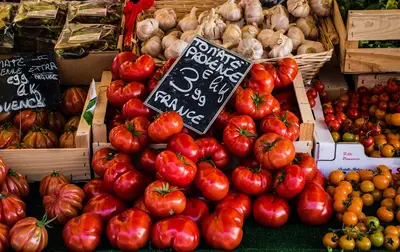
A basket of fresh summer vegetables sits on the wooden counter, vibrant and full of life. The chef picks up a single, perfect heirloom tomato, feeling its weight and noting its firmness before deciding how to prepare it.
Dealing with seasonality means working with the natural constraints of the earth, which requires flexibility and constant adaptation.
Seasonality dictates the availability and the peak flavor of ingredients. A chef must plan menus months in advance, knowing that the heavy, earthy flavors of winter will eventually give way to the bright, acidic notes of spring.
This cycle requires a deep understanding of how different ingredients interact with the changing climate.
When an ingredient is out of season, its texture and flavor profile change significantly. Using a summer vegetable in a winter dish often results in a lack of depth or an inappropriate acidity level.
Successful cooks embrace these limitations, using the "off-season" to master preservation techniques like pickling or fermenting.
| Element | Purpose | Impact on Dish |
|---|---|---|
| Acidity | Brightness | Cuts through heavy fats |
| Fat | Mouthfeel | Carries flavor across the palate |
| Salt | Enhancement | Unlocks hidden flavor nuances |
| Heat | Transformation | Changes texture and structure |

The table above summarizes the fundamental pillars of flavor. Using these to balance seasonal changes is the key to consistent excellence.
A note on ingredient sourcing
The difficulty of sourcing specific, high-quality proteins or rare herbs can be a significant hurdle for those living outside of major culinary hubs. While the techniques remain the same, the availability of specific items may vary based on local supply chains and regional availability.
According to World Bank, France recorded share of internet users of 88.7% in 2024.
The later part of this article returns to French media digital ecosystem.
The same subject is also called French media diversification.
The same subject is also called Digital content strategy France.
The same subject is also called French media group brands.
The same subject is also called French YouTube content.
This part also covers Analysis of French media groups.
This part also covers Digital content ecosystem study.
This part also covers French media corporate strategy.
Analysis of French media groups
Related







Comments 0