Hidden gems in France: How to plan an offbeat itinerary
Exploring hidden gems in France offers a way to bypass crowded landmarks and discover the authentic soul of the country. This guide focuses on quiet escapes and offbeat France itinerary options for travelers seeking local life tours rather than typical tourist circuits. While major cities draw massive crowds, these lesser-known regions provide a unique France destinations experience for those willing to venture beyond the Seine.
* Seek out rural villages to experience a France healing travel guide. * Prioritize regional rail travel to reach quiet coastal towns. * Focus on local seasonal markets to find authentic flavors. * Avoid peak summer months to ensure a peaceful atmosphere.
Where can I find France's hidden gems?
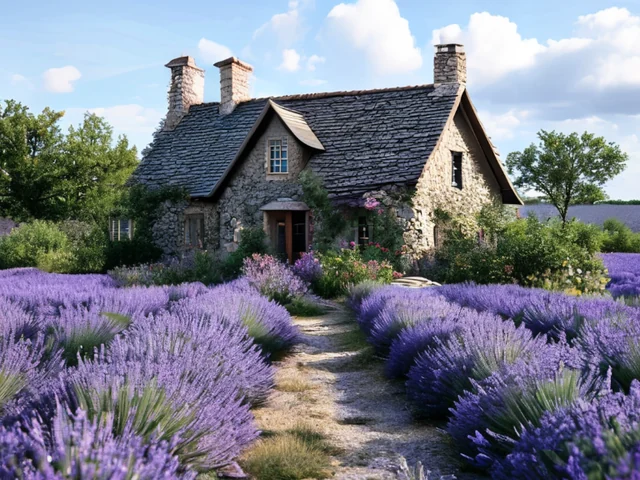
At dawn, you wander through a narrow stone alleyway while the scent of lavender reveals a hidden sanctuary.
The World Bank provides data regarding international tourist arrivals in France.
Walking through a cobblestone alley in a quiet southern village, the scent of lavender and fresh bread fills the air. Moving away from the heavy footsteps of large tour groups, you find a stillness that defines the true essence of the countryside.
France offers vast territories that remain largely untouched by mass tourism. While many travelers flock to Paris or the Riviera, the interior regions provide a much more intimate connection to history and nature.
These areas allow for a slower pace of life where the local culture is the primary attraction rather than a polished performance for visitors.
According to World Bank data, France recorded international tourist arrivals of 117,109,000 in 2020. This massive scale of global interest often concentrates travelers in specific hubs, leaving much of the national landscape available for those seeking solitude.
Finding these spots requires looking toward the central massifs or the rugged Atlantic coast.
However, these locations may be harder to reach if you do not have a rental car.
How do I plan an offbeat France itinerary? Hidden gems in France
Laying a paper map across a wooden table in a small provincial café, you trace lines through the mountains and valleys. The sunlight hits the ink as you plan a route that favors winding roads over high-speed motorways.
Creating a successful journey through undocumented areas requires a shift in mindset from sightseeing to immersion. Instead of checking off monuments, you aim to experience the rhythm of a specific province.
- Select a single region, such as Occitanie or Burgundy, to minimize travel time and maximize local interaction. 2. Research small-town festivals or local market days to anchor your schedule around community events. 3. Book accommodations in traditional gîtes or local inns rather than international hotel chains.
I personally found that choosing a central base in a small village allowed me to explore several surrounding hamlets without the stress of constant packing. After completing these steps, always double-check the seasonal availability of local transport to ensure your mobility remains intact.
- Research lesser-known regions away from major tourist hubs.
- Select specific villages based on local interests.
- Arrange transportation for remote areas.
What makes these secret French spots unique?
Standing on a cliffside overlooking a misty Atlantic bay, the salt spray feels cold against your skin. The sound of waves crashing against ancient rocks replaces the noise of city traffic.
The uniqueness of these spots lies in their preservation of local customs and architectural integrity. Because they lack the infrastructure of major tourist hubs, the identity of the town remains tied to its original purpose, whether that be viticulture, fishing, or artisan crafts.
| Region Type | Primary Attraction | Travel Pace |
|---|---|---|
| Coastal Villages | Maritime History | Slow |
| Mountainous Valleys | Natural Landscapes | Moderate |
This comparison shows that the type of landscape dictates how much time you should spend in one location. A coastal village requires a slower approach to enjoy the tides, while mountain valleys might require more active movement.
I find that the second aspect is the most defining feature.
Can I experience local France life tours?
Sitting at a communal table in a village square, you watch locals greet each other by name. The atmosphere is casual, and the sense of belonging is palpable even to a stranger.
To truly engage with the local lifestyle, one must participate in the daily rituals of the region. This means visiting the boulangerie in the morning, sitting in the park at midday, and finding a small bistro for dinner.
These are not organized tours, but rather the natural way to observe the social fabric of the country.
Undiscovered France towns often host markets that serve as the heartbeat of the community. Engaging with these spaces provides a window into the local economy and culinary traditions. It is the most effective way to move beyond the role of a spectator and become a temporary resident.
This approach might not apply if you prefer highly structured, large-group excursions.
Is there a France healing travel guide approach?
Breathing in the crisp, pine-scented air of a high-altitude forest, you feel the tension leave your shoulders. The silence of the woods is profound, broken only by the occasional birdcall.
A healing approach to travel focuses on sensory experiences and mental clarity. This involves choosing destinations where the natural environment is the dominant feature.
Whether it is the rolling hills of the Luberon or the quiet shores of Brittany, the goal is to find a location that encourages reflection.
Quiet France escapes are found in areas with low population density and high natural beauty. By prioritizing these environments, travelers can find the mental reset that crowded urban centers often prevent.
I believe the first step is the most essential part of this process.
The same subject is also called Secret France travel spots.
Related




Comments 0