Why do French educational channel trends thrive?
"The digital landscape is no longer just a tool for connection, but a vast classroom where knowledge flows across borders in an endless stream of video."
The success of French educational channel trends depends on a highly connected population and the massive scale of global video platforms.
* High internet penetration provides a massive audience for educational creators. * Global platforms like YouTube offer unprecedented scale for content distribution. * The concentration of views on high-quality content drives channel growth.
Why do French educational channel trends thrive?

A person sits in a quiet Parisian café, scrolling through a tablet to watch a deep dive into historical philosophy. This engagement is possible because the digital infrastructure in the region is exceptionally strong.
The ability to consume specialized knowledge online is supported by high connectivity. According to World Bank data, France recorded a share of internet users of 88.7% in 2024. This high level of access allows educational creators to reach a vast, tech-savvy audience that is ready to learn.
This widespread connectivity serves as the primary engine for French learning YouTube trends. When a large portion of the population is online, niche educational topics can find a significant number of dedicated viewers.
In this sequence, the first step is the most critical.
How does the scale of video platforms impact creators?
A creator uploads a complex documentary about European economics, watching the progress bar move toward completion. They are joining a global ecosystem where massive amounts of data are processed every second.
The sheer volume of content on major platforms creates both competition and opportunity. As of May 2019, more than 500 hours of video content were uploaded to YouTube every minute.
This constant stream of information means that high-quality, well-researched educational material must stand out to capture attention.
Understanding French info channel strategy requires recognizing this massive scale. Creators must navigate a sea of content where, as of February 2017, one billion hours of content were being watched on YouTube every day.
This scale ensures that even specific educational niches can achieve global reach.
- Identify niche audience interests.
- Optimize video metadata for discovery.
- Engage with community feedback.
According to World Bank, the 2024 record includes 88.7%.
How can I master French knowledge content tips?
A student pauses a video to take notes on a complex scientific concept, feeling the clarity of the explanation. They are part of a broader movement where information is distilled into engaging visual formats.

Success often comes from the concentration of attention on specific, high-performing videos. A YouTube software engineer, James Zern, revealed in April 2011 that 30 percent of videos accounted for 99 percent of views on the site.
For an educational channel, this means that a few exceptional, high-value videos can define the entire brand.
Applying French knowledge content tips involves focusing on this reality of viewership. Instead of spreading efforts thin, creators often find that mastering a few core topics leads to the massive view counts seen across the platform.
How can one analyze French learning video analysis?
A researcher opens several browser tabs to compare different instructional styles and visual delivery methods. They look for patterns in how complex information is broken down for the viewer.
To conduct a proper study of these trends, one should follow these steps:
- Identify the core subject matter and the target demographic within the digital space. 2. Observe the engagement patterns to see which specific topics command the most attention. 3. Evaluate the production quality and the clarity of the instructional delivery.
After completing these steps, perform a final check to ensure the content aligns with the high standards expected by an educated audience. I have found that focusing on the clarity of the "seek bar" experience for long-form lectures can significantly improve user retention.
What is holding my digital growth back?
A viewer attempts to find specific information in a crowded search result but finds only superficial summaries. The vastness of the internet can sometimes make deep, academic rigor harder to locate.
According to the National Institute of Statistics, 1,751 French companies were state-controlled by the end of 2017.
While the digital reach is immense, the quality of information is not always guaranteed. The massive influx of data means that distinguishing between verified educational content and casual commentary is a constant challenge for users.
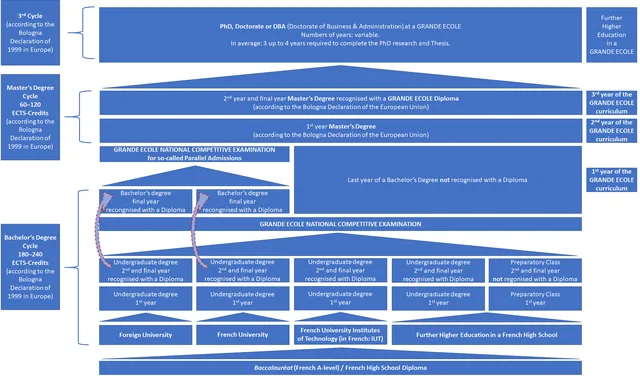
The success of French educational channel success is also tied to the economic context of the region. According to OECD data from 2021, 8.4% of the French population lived in poverty.
This economic reality suggests that while digital access is high, the ability to engage with premium or paid educational tools may vary across different socioeconomic groups.
French educational channel success
The same subject is also called French culture video success.
This part also covers Why French edu channels grow.
This part also covers French knowledge content design.
Related
- Can French creator strategies improve engagement?
- Who are the top 10 French creators on the platform?
Can creators manage the digital landscape?
Managing the digital landscape requires navigating the extreme concentration of views on a small portion of content. Because 30 percent of videos account for 99 percent of views, creators must prioritize high-value production to avoid being lost in the massive stream of data.
Comparing the scale of content helps creators understand the competition. While 500 hours of video are uploaded every minute, the ability to reach a global audience depends on standing out within that constant influx.
What precautions should viewers take?
Viewers must exercise caution when distinguishing between verified educational material and casual commentary. The massive volume of information makes it difficult to ensure that every video meets academic standards of rigor.
One should also consider the socioeconomic conditions of the region when evaluating access to learning.







Comments 0