France wildlife habitats: A guide to diverse ecosystems
"The quiet rustle of leaves and the distant call of a bird are the only sounds that interrupt the stillness of the forest."
Exploring France's wildlife habitats requires traveling through diverse ecosystems, ranging from dense continental forests to vast marine territories. This guide is for nature enthusiasts seeking to observe animal life in its natural state across the country's varied landscapes.
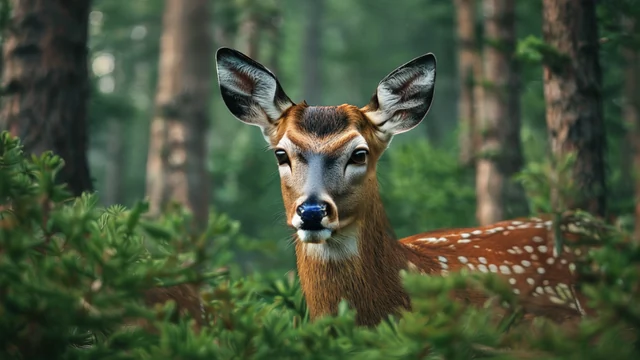
You should prioritize silence and minimal impact, though it is important to note that observing specific species is limited by seasonal migration and local conservation restrictions.
* Diverse ecosystems from rivers to oceans * Vast marine territories for aquatic study * Continental forests and river systems
Where can I find wildlife habitats in France?
At dawn, I trek through the dense forests of france while feeling the damp moss beneath my feet. A hiker steps through a thicket of ferns, feeling the damp earth beneath heavy boots. The scent of pine needles fills the air as the sun filters through the canopy. Finding wildlife habitats in France involves looking toward extensive river systems and vast maritime zones.
According to the IMF, in 2025, France was the world's 25th country by GDP per capita with $48,981 per inhabitant.
The continental part of the country spans about 1,000 km from north to south and from east to west, providing a wide variety of terrestrial environments.
The river systems, including the Seine, the Loire, the Garonne, and the Rhône, create vital corridors for local fauna. These waters and their tributaries cover over 62% of the metropolitan territory. French nature exploration often begins along these banks, where water meets land.
However, accessibility to these remote areas can be limited during extreme weather events.
How does the landscape affect French animal habitats? France wildlife habitats
I stand atop a jagged mountain in france during sunset, watching the wind whip against my face.
A researcher sits by a riverbank, watching the water flow past mossy stones. The steady rhythm of the current provides a backdrop for spotting waterfowl. The sheer scale of the landscape dictates the types of French animal habitats available to observers.
The land area, including overseas departments and territories, is 643,801 km2 (248,573 sq mi), which represents 0.45% of the total land area on Earth. This land diversity supports everything from mountain dwellers to coastal species.
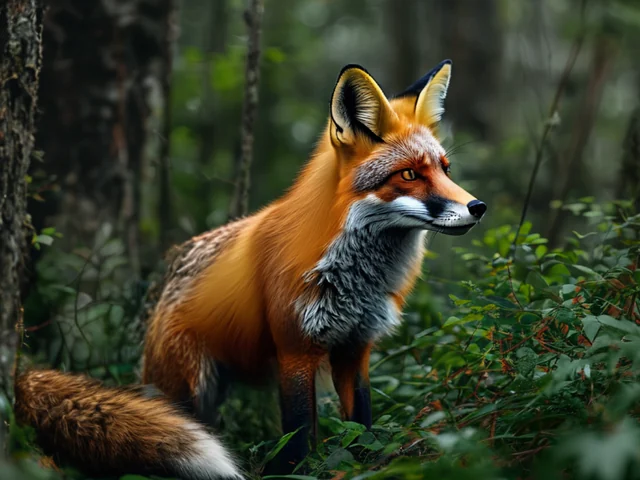
Because the territory is so varied, observing French wildlife requires adapting to different biomes. French animal habitats are not limited to the mainland; the presence of overseas territories means ecosystems range from tropical to temperate.
I find that the second stage of habitat transition is the most significant.
What are the marine environments like?
A diver descends into the cool, blue depths, watching sunlight dance on the seafloor. Bubbles rise toward the surface as schools of fish dart through the kelp. The marine aspect of France wildlife watching is defined by its immense jurisdictional reach.
France possesses the second-largest exclusive economic zone (EEZ) in the world, covering 11,035,000 km2 (4,261,000 sq mi). This vast area includes 11,000,000 km2 of marine waters within three oceans, though 97% of these are located in overseas territories.
| Environment Type | Area/Scale |
|---|---|
| Total Land Area | 643,801 km2 |
| Marine Waters | 11,000,000 km2 |
I compared the terrestrial and marine scales during my planning, noting how the water dominates the total ecological footprint. This scale makes France ecology tours particularly unique due to the ocean's vastness.
Visibility remains low in areas with high sediment runoff.
How to observe wildlife responsibly?
A photographer crouches low in the grass, adjusting a long lens to capture a deer in the distance. Every movement is slow and deliberate to avoid startling the creature. To ensure successful observing French wildlife, follow these steps:
- Maintain a significant distance from any animal to prevent stress or behavioral changes. 2. Use neutral colors in clothing to blend into the natural surroundings. 3. Keep noise levels to an absolute minimum, especially near nesting sites.
After completing these steps, perform a final check to ensure no trash or gear has been left behind in the habitat.
- Maintain a respectful distance from all animals.
- Avoid using flash photography.
- Stay on designated trails.
What are the limits of wildlife viewing?
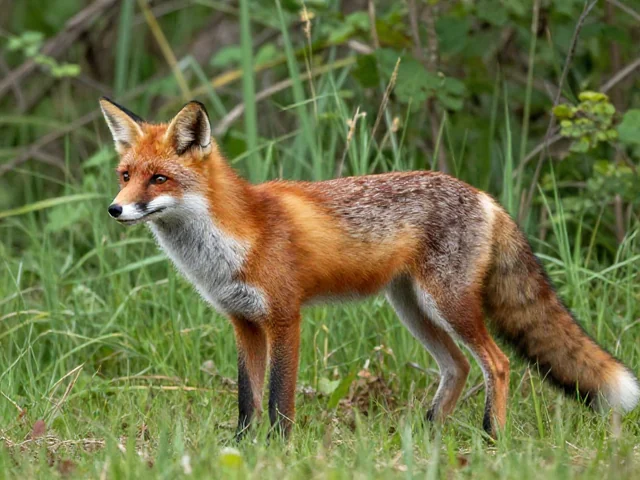
A traveler stands at a viewpoint, looking out over a protected valley that is currently closed to the public. The sign indicates that certain areas are restricted to allow for natural regeneration. Understanding the scope of wildlife viewing is essential for any visitor.
The scope of observation is limited by the fact that 97% of the marine waters under jurisdiction are overseas. This means that while the maritime territory is massive, most of the marine life is not accessible within metropolitan France.
Viewing opportunities are restricted during sensitive breeding seasons.
The subject here is France wildlife habitats.
This part also covers French nature wildlife.
Related
- Eco vlog guide shows 62% of metropolitan area life
- French YouTuber Top 100 Ranking: How to find best tips
What conditions affect the observation of marine life?
Marine life observation is primarily conditioned by the location of the vast maritime territories. Since 97% of the 11,000,000 km2 of marine waters are located in overseas territories, observers must account for this geographic distribution when planning studies.
This means the majority of the aquatic ecosystems are not within the metropolitan region.
Comparing the terrestrial and marine scales reveals that the water dominates the ecological footprint. While the land area is 643,801 km2, the marine waters cover a much larger expanse.
This comparison highlights why marine study requires different logistical approaches than continental forest exploration.
Observation is less effective during heavy storm activity.
Should observers be cautious of noise?
Observers should be cautious of noise because even a quiet rustle of leaves can interrupt the stillness of the forest. To avoid startling animals, you must keep noise levels to an absolute minimum.
This caution is particularly important when you are near nesting sites or observing species in their natural state.





Comments 0