Niche Authority: How Experts Build Media Empires Online
"The era of the generalist is ending; the era of the specialized authority has begun."
The digital landscape is shifting from broad entertainment to deep, expert-driven storytelling. As French creators master specific niches like high fashion or culinary arts, they are no longer just "influencers"—they are becoming independent media houses.
Key Takeaways * The transition from amateur hobbyists to professionalized digital media enterprises. * How niche specialization provides a competitive edge in a saturated market. * The symbiotic relationship between creator authenticity and platform-driven scale.
* New monetization pathways through brand integration and specialized content.
Why is niche content more successful than general content now?
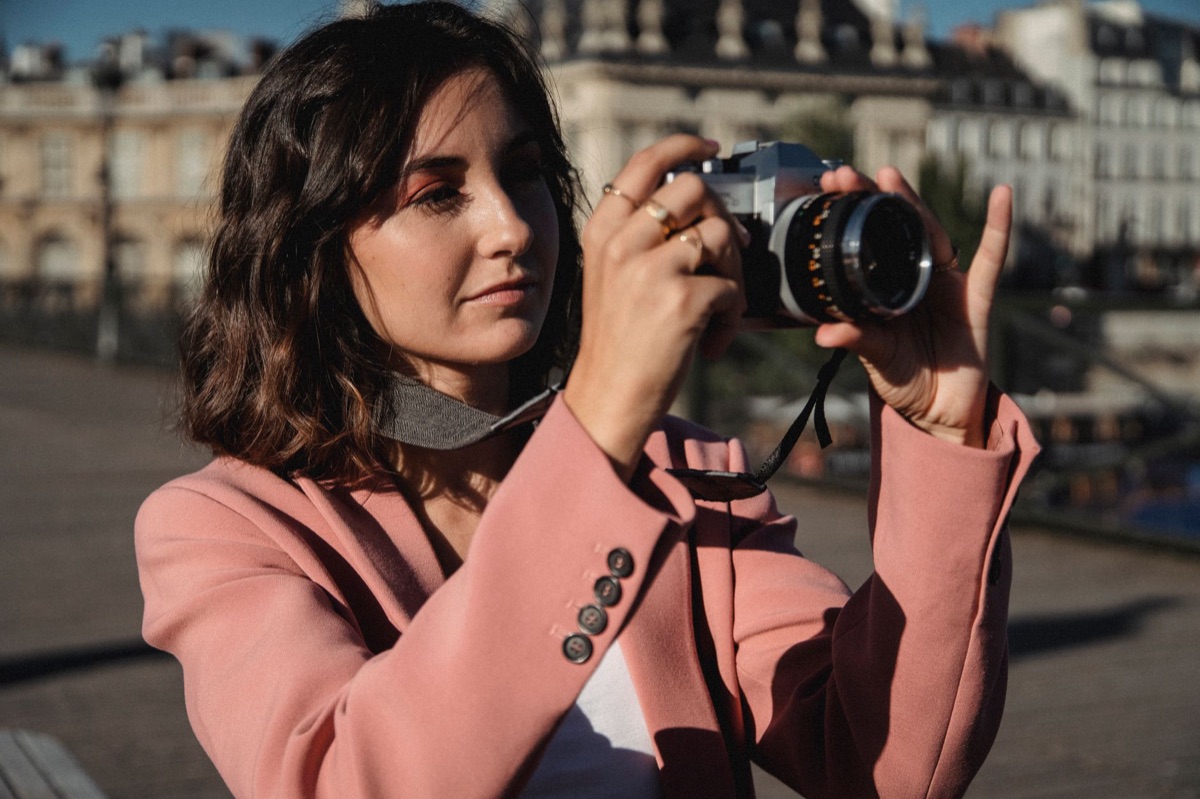
A creator sits in a dimly lit studio in Paris at 11:00 PM, meticulously adjusting a camera lens to capture the texture of a single silk scarf. There is no loud music or frantic editing; there is only the quiet, expert authority of someone who knows exactly what they are talking about.
According to World Bank data, France recorded a share of internet users of 88.7% in 2024.
The French digital landscape has undergone a massive transformation. While comedy and beauty once dominated the early years of YouTube, the market has matured. Today, the most successful creators are those who lean into deep expertise.
In a world where anyone can upload a video, the "niche advantage" has become the primary driver of growth. Viewers are no longer just looking for distraction; they are looking for mastery.
A creator who understands the intricacies of French viticulture or the history of haute couture provides a level of value that generalist channels cannot match.
This shift in audience expectation has turned niche subjects into global assets. Because French culture carries significant international weight, these specialized creators often find themselves with a built-in global audience that transcends linguistic barriers.
But how do you actually build a profile that commands this kind of respect?

What is the anatomy of a successful creator profile?
A researcher opens a laptop at a bustling cafe in Lyon, scrolling through a meticulously organized database of international talent. They aren't looking for the most famous names, but the most influential ones within specific sectors.
In 2019, the Pew Research Center found that over half of Americans (54%) either got their news "sometimes" or "often" from social media.
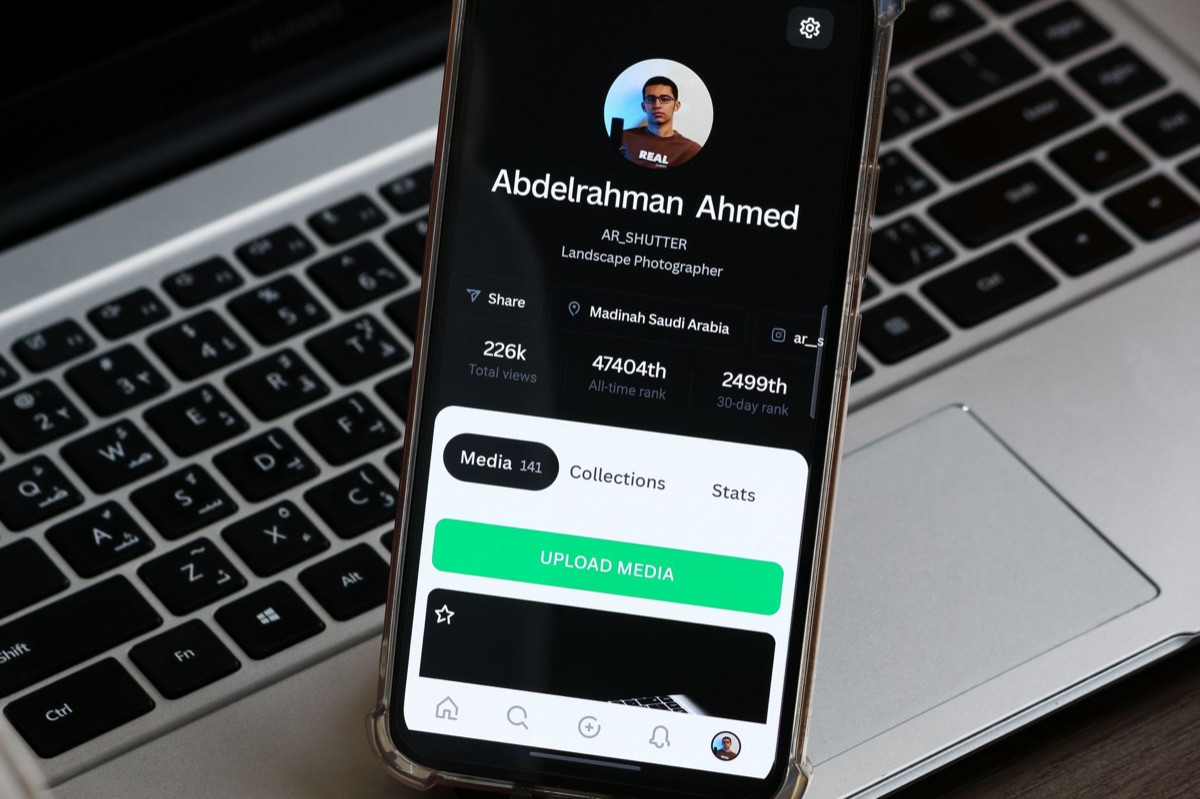
To understand how these creators scale, we must look at how they present themselves. A professional creator profile typically follows a rigorous structure to establish authority. It begins with a concise identity statement: who they are, their subscriber scale, and their unique value proposition.
This is followed by a channel overview that establishes their professional background and credibility. The "Content Signature" is perhaps the most vital element. This is the unique selling point—the specific way a creator handles their subject matter—that defines their mastery.
For example, a chef doesn't just post recipes; they present a specific philosophy of flavor.
By focusing on these unique signatures, creators can maintain a high level of quality. To ensure this depth is maintained, editorial standards often limit the number of creators profiled in a single category, ensuring that each individual receives the scrutiny and respect their expertise deserves.
However, building a profile is only the first step; the real challenge is turning that profile into a sustainable business.
How do creators scale through media integration?
A brand executive sits in a boardroom in late 2025, reviewing a digital marketing strategy that moves away from traditional television commercials toward direct partnerships with specialized creators.
The most significant evolution in the digital age is the transition from content provider to brand ambassador. Successful creators do not just rely on ad revenue from views; they build scalable business models.
This includes affiliate marketing, high-end sponsorships, and the launch of independent merchandise or product lines.
Unlike traditional media, which relies on massive, broad-reaching broadcasts, digital media allows for surgical precision.
A creator specializing in luxury fashion can partner with a brand to launch a limited-edition collection, utilizing their platform as both a marketing engine and a direct storefront. This agility is something traditional media houses struggle to replicate.
The platform provides the distribution, but the creator provides the trust. This trust is the currency that allows a single person to scale into a full-scale media entity.
But as these entities grow, they must navigate a fickle digital ecosystem.
How do you navigate audience reception and trends?
A young professional in New York checks their phone during a morning commute, scrolling through a feed of specialized news and lifestyle content. They aren't looking for the news of the day, but for the deep dives into the topics they love.
According to the Reuters Institute Digital News Report 2013, among those in the US who use social media to find news, 47% of these people are under 45 years old.
Understanding the audience is key to navigating the digital ecosystem. Engagement patterns vary wildly depending on the niche. For instance, older demographics might engage more with educational or documentary-style content, while younger users might follow fast-paced lifestyle trends.
The ability to capture and hold attention is not about volume, but about relevance. As digital consumption becomes more fragmented, the ability to own a specific "topic" becomes more valuable than owning a general "audience." This is why we see the rise of highly specialized channels.
| Feature | Traditional Media | Specialized Digital Creator |
|---|---|---|
| Primary Goal | Mass Reach | Deep Engagement |
| Monetization | Broad Advertising | Brand Integration & Products |
| Flexibility | Low (Scheduled) | High (On-demand) |
| Audience Relationship | Passive Viewer | Active Community |
The question remains: what does the future look like for those who lead this charge?
What is the future of digital media and niche authority?
A writer sits at a desk in a quiet study, looking at a blank page, wondering how the next decade of digital storytelling will unfold. The tools are changing, but the human desire for expert storytelling remains constant.
The fusion of niche expertise and platform power is not a temporary trend; it is the new standard for digital media. As platforms continue to refine their algorithms to favor high-quality, specialized content, the barrier to entry for professional creators will continue to shift.
The challenge for the future lies in maintaining authenticity while scaling. As creators grow into larger organizations, they must ensure that the "expert voice" that built their foundation is not lost in the pursuit of mass-market appeal.
Those who can balance professional production with personal authority will lead the next generation of media.
When I first started looking into niche content strategies, I thought it was just about finding a small group of people to talk to. I quickly realized it was much more complex—it was about building a world that people wanted to live in.
To succeed in this new era, you should follow this professional development checklist:
- Define Your Signature: Identify the one specific way you approach your niche that no one else can replicate.
- Audit Your Authority: Regularly update your profile to reflect your growing expertise and professional credentials.
- Diversify Revenue: Move beyond platform ad-revenue by integrating brand partnerships and unique product lines early.
- Protect the Voice: As you hire staff or expand, create editorial guidelines to ensure your unique perspective isn't diluted.

Comments 0